
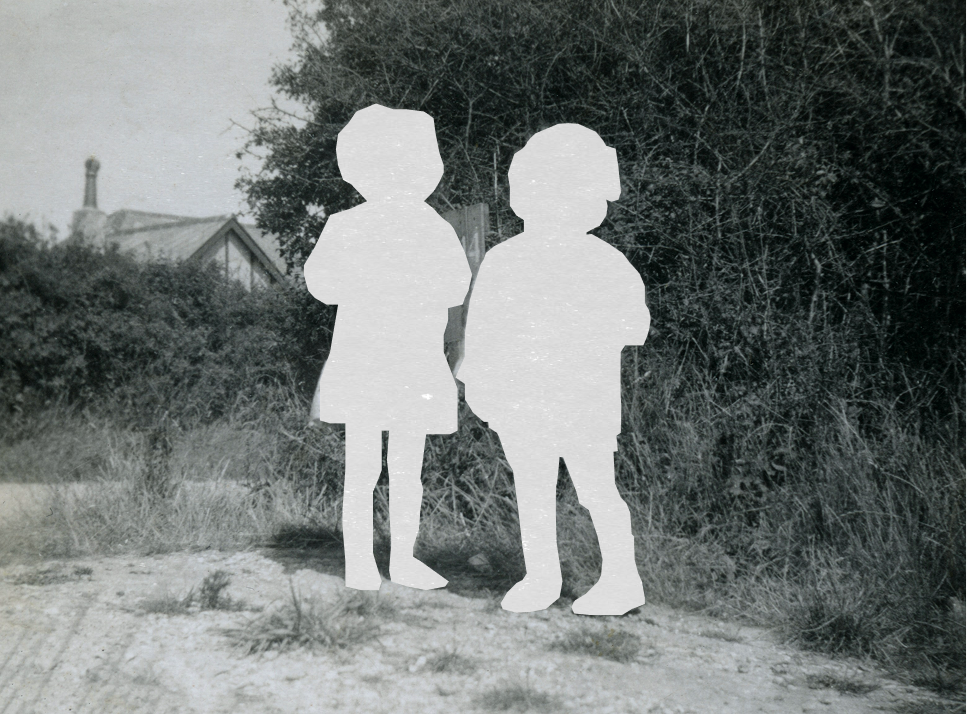
In May 2026, ECLAG launched its first Choose to See Them campaign, using the release of the Internet Watch Foundation’s (IWF) annual data as an opportunity to put the scale and evolving nature of online child sexual abuse firmly on the EU policy agenda.
The IWF’s latest findings showed that the problem is not only vast, but changing rapidly. In 2025, the IWF confirmed 311,610 reports containing or linked to child sexual abuse material, while AI-generated abuse continued to grow at an alarming pace.
ECLAG used these new findings to send a clear message to EU policymakers: the scale and complexity of online child sexual abuse cannot be ignored, and Europe needs an ambitious and effective Child Sexual Abuse Regulation.
The campaign combined social media content with outreach to Brussels-based journalists and stakeholders. Through videos, infographics, campaign messages and amplification by ECLAG members and partners, the campaign brought the latest evidence into the wider debate around the EU’s proposed legislation.
At the heart of the campaign was a simple question: will we choose to see children and the reality they face online — or look away?
The campaign reached audiences across LinkedIn, Facebook, Instagram and X, generating nearly 150,000 impressions and more than 20,000 video views. LinkedIn was particularly successful, reaching the policy professionals and organisations at the heart of the campaign’s target audience and generating more than 14,000 clicks. Amplification by coalition members and partners helped extend the campaign beyond ECLAGʼs own channels.
While the campaign ultimately became more focused on digital advocacy than initially planned, it successfully raised visibility around online child sexual abuse and connected the latest evidence to the ongoing European policy debate.
Choose to See Them marked the beginning of a campaign message that ECLAG continues to build on: behind the statistics are real children, real experiences and real rights at stake. The question for policymakers is not whether the problem exists, but whether Europe will choose to see it and act.
